

This is part III of an unfolding mini-series trying to provide some starting points to reimagine futures, provide solace and at least start somewhere during COVID-19.

On June 1st, 2020 I had the pleasure to host a #MuseumHour on twitter around the topic of success as a museum worker. Read the many insightful replies and discussions around the topic.

This is part III of an unfolding mini-series trying to provide some starting points to reimagine futures, provide solace and at least start somewhere during COVID-19.

This is part II of an unfolding mini-series trying to provide some starting points to reimagine futures, provide solace and at least start somewhere during COVID-19.

This is part I of an unfolding mini-series tries to provide some starting points to reimagine futures, provide solace and at least start somewhere during COVID-19.

Museums have changed over the centuries, adapting to the changes in society and the way knowledge is presented. In an age where we have so many information sources at hand we are asked to be critical about the sources and the conclusions they point to. Museums are part of the educational realm and more and more people are being critical about the kind of assumptions museums allow with the discourse they provide.
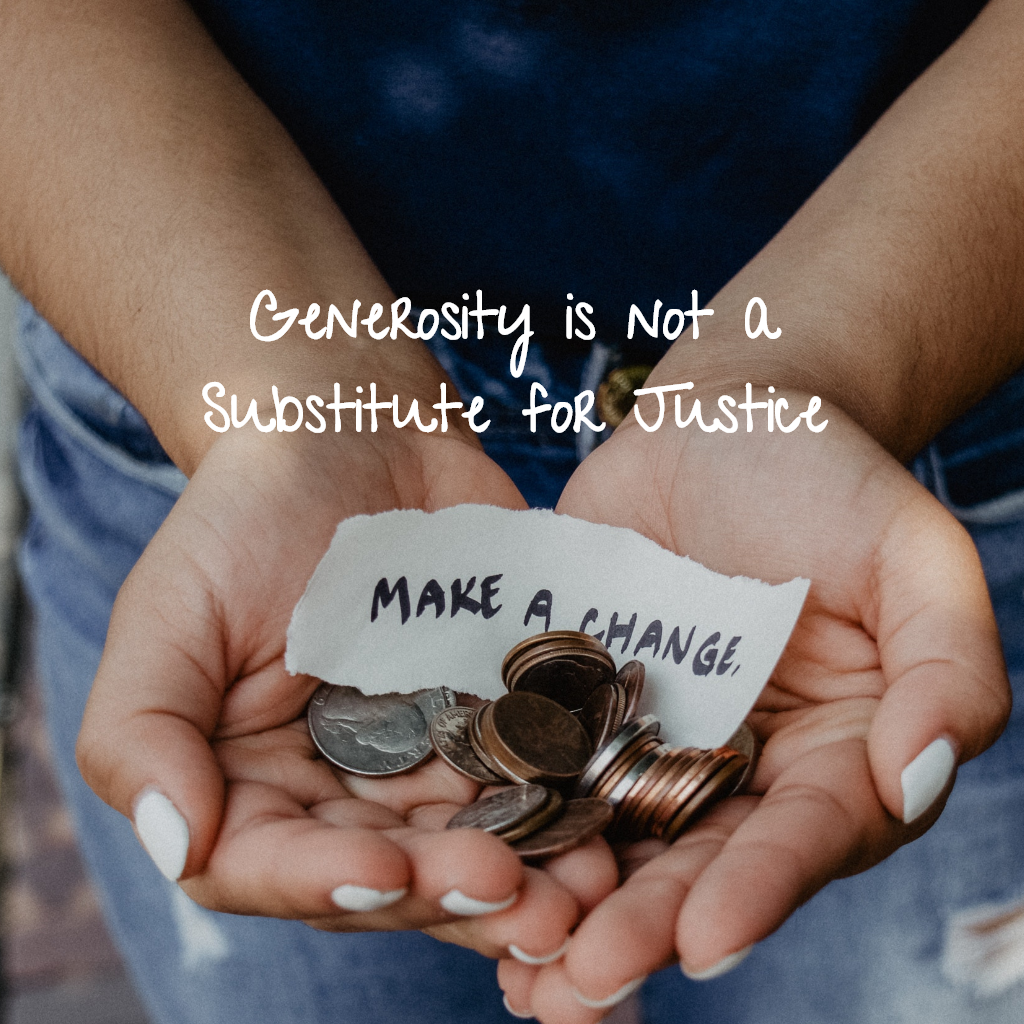
For many institutions the relationship to their sponsors is benevolent and productive, for others however, the pleasing of sponsors becomes a delicate management of compromises. You don’t bite the hand that feeds you, right? But what does this dependent position do to the autonomy of cultural institutions, education or journalism?

Every day we have to get our balance right between the Doing and the Non-Doing. Who are you without the doing?

In the tradition to review the past year, close chapters and start new ones here a few of the main learnings of 2018

I have filled notebooks with my thoughts on leadership: What does leadership mean? What is my relationship to power? How do power and justice relate? What does leadership mean as a practice? What does it look like to step up, to hold space, to lead with intention and grace and accountability in a time that finally seems to be ready to make room for different leadership styles.

Another take on why museums are not neutral.

This is sort of an continuation of the thoughts I've shared in my previous article on Art as Labor. In this piece I talk about creative business models and their policies, sacrification and unpaid work.

I guess, we all agree that it's not just about celebrating one day or month but to actually make every day of the year count. Nevertheless, I really like the thought of giving a month a topic and am joining the celebration of women's history month with a few thoughts here.

The art world is not an abstract place, it is shaped through human experiences and connections. Neutrality does not exist in our experiences and is a concept we can just find in textbooks, life is much more complex and fascinating.

New year, fresh start...

A love letter to discipline or the quest to keep working despite the ideal circumstances.

While it is scary to put this personal thoughts out there one of the biggest lessons I've learned this year is that vulnerability leads to meaningful connections. To honor this lesson I published my personal reflections.

People often ask what I mean if I say that the private is political. It means for me that we develop beliefs and thought patterns based on our private experiences, it means that we will engage more passionately with experiences that we share and it also means that we need more radical empathy in a time that can feel like we are so different. So here I am taking a bold step and walking the talk...

The online dictionary Merriam-Webster defines neutrality as "the quality or state of not supporting either side in an argument, fight, war, etc. : the quality or state of being neutral". The question is whether institutions who deal with primary sources, historical and contemporary narratives and a culture that decides which discourses get public attention should engage in neutrality? My opinion is that Museums are not neutral.

A few months ago I started with the interview series on what success looks like to arts professionals and people working in the creative industry. It is an attempt to redefine what success is and find personal attempts to define a sustainable definition of creative work.
Since I started with the interview series I got an overwhelming feedback of people asking me if there are things left out in the editing process or if there are other behind the scenes or learnings I could share.

We are defined through our values and principles. As Michelle Obama said so perfectly "If they go low, we go high".

Some thoughts on algorithms and sharing creative work on the internet.

Self-care is a topic we usually avoid when talking about careers. We think that the mere admitting that we need to take care of ourselves might give the impression that we are weak. I didn't want to write about the topic in the first place because I feel that there are so many people out there giving advice and not walking their talk. I felt that the term became some sort of marketing strategy to sell you the latest beauty lotion. Anyways, the topic appeared in many conversations I've had with colleagues and friends over the last months on the topic of Art as Labor and I thought it might be time to finally share some thoughts I find valuable.

In part II of the interviews the journey around the world continues with some amazing insights. An honest conversation can have a transformational power and can lead to situations where we're able to "connect-the-dots". The topic of "Art as Labor" wants to talk about different notions of success and tell other stories, than the one that end on top 100 lists, sell for high prices or make a nice image on social media. Progress is good but involves learning along the way, and we are all in this on a very individual path, that can feel lonely sometimes. To experience the comfort of a community and to talk about purpose and value is another story of success that we need to hear more often.

This blog wants to build platform for people working in the creative sector. Working in this field I have the pleasure to know several wonderful people who gave me their time and answered some questions about their experiences with living abroad, their perspectives and unique insights. I am deeply touched by the honesty and the wonderful insights that they share. You can feel connections among their answers and the possibility to "connect the dots" is really comforting as it shows a notion of belonging and togetherness in this adventure of working cross-cultural.

A reality a lot of cultural workers face, is the need for flexibility, in particular when it comes to work cross-culturally. I lived in Spain, Germany, Denmark, Italy and moved a few months ago to Switzerland, so I can tell from my own experience that moving to another country is exciting and stressful at the same time. Of course everyone handles cross-cultural experiences differently and I guess the most important thing is to remain authentic and to give yourself the permission for a learning curve. Find here my takeaways and 6 skills that will help you to make the best out of your time and eventually succeed in another country.

This year I am dedicating myself to the area of art as labor. It is an attempt to open a dialogue around how labor is defined in the arts and what it means to choose a profession in the creative sector. It is not a new research area and a lot of interesting work has already been done. Nevertheless, some problems seem recurring and others are connected to the current Zeitgeist. I know it can be exhausting to constantly fight the same problems, therefore, it is so comforting to see how others handle similar issues and that we all together as a community are able to change circumstances. This is the motivation to build a library of resources with this blog around different topics for professional and aspiring culture and art worker.

Museums have to define their role within society to remain significant in the future. In the past museums were temples where knowledge was preserved and education was the highest value. This might still be a big asset, but with this purpose comes the voice of institutional authority, that does not facilitate a dialogue with the people visiting the museum. Museums are facing a shift in visitors engagement, storytelling, institutional organization, and what in means to be a successful museum.


On October 19, 2020 I had the pleasure to host a #MuseumHour on twitter around the topic of failure as a museum worker. Read in this post the many insightful replies and discussions around the topic.